How to Choose Practical Outdoor and Leisure Products
Outdoor gear is bought before the conditions are known. Safety agencies suggest working backwards from the trip, the season and the people involved.
By Save Framework4 min read
At a glance
Parks Canada's starting point is the Three T's: trip plan, training and the essentials.
For water, look for an approval label from Transport Canada, the Canadian Coast Guard or Fisheries and Oceans Canada.
Health Canada says price, colour and lens darkness do not show UV protection; look for a UVA and UVB label.
Fit and condition matter as much as features, and a damaged lifejacket is not considered approved.
Outdoor shops are full of products sold on possibility: the summit you might climb, the lake you might paddle, the night you might spend outside. The better question is narrower. What exactly are you doing this season, where, and with whom? Parks Canada says it is up to you to plan ahead and prepare, and that is a useful rule for shopping as well as for trips.
Work backwards from the outing
Parks Canada recommends the AdventureSmart “Three T's”. Trip plan means leaving your itinerary with someone you trust, researching the terrain and conditions, choosing an outing that suits everyone, and checking the weather. Training means building skills and knowing your limits. Take the essentials means carrying basic survival items and knowing how to use each one.
Products fit naturally into the third T, but the first two come first. If you cannot yet describe the trip in a sentence, you are not ready to choose equipment for it. Parks Canada also points to its destination pages for bulletins on closures, advisories and permits, and suggests considering a satellite communicator where there is no cell coverage.
Describe the outing
Write down the activity, season, duration and who is coming, including children or pets.
List the real risks
Use official guidance for that place and season, such as water hazards, cold, heat or wildlife.
Match gear to risks
Pick items that address those risks first and comfort second.
Try it on or test it
Fit, weight and ease of use are hard to judge from a product page.
Decide what you will not buy
Rent, borrow or skip the rest until a real need appears.
Water: approval, fit and wearing it
Transport Canada's guidance on lifejackets and personal flotation devices (PFDs) is unusually concrete. Look for a label showing approval by Transport Canada, the Canadian Coast Guard or Fisheries and Oceans Canada. Devices that are ripped or in poor condition are not considered approved, which matters if you are tempted by a used one.
Lifejackets give more flotation and can turn an unconscious wearer onto their back; PFDs are lighter and more comfortable for constant wear but usually offer less flotation and thermal protection. A device should fit snugly and not ride up over the chin or ears. For a child, Transport Canada says there should be less than 7.6 cm (3 inches) between the shoulders and the device. It suggests wading into waist-deep water to test how well you float, and checking that straps, buckles and zippers work.
Sun and glare
Health Canada says you cannot tell how much UV protection sunglasses offer from their price, colour or lens darkness. Look for a label stating UVA and UVB protection; for most people, an inexpensive pair that carries it will do the job. It adds that lenses should be dark enough to be comfortable but not so dark that they reduce vision, and that wrap-around frames block stray light from the sides.
Health Canada also lists voluntary industry categories: cosmetic, general purpose and special purpose. Cosmetic lenses are not usually recommended for daytime driving, and special-purpose lenses are not recommended for driving at all. If you wear sunglasses behind the wheel as well as on the trail, the category matters.
For clothing, Health Canada's sun safety basics suggest long sleeves, pants and a wide-brimmed hat in light-coloured, breathable fabric when the UV Index is 3 or higher. It notes that snow, water, sand and concrete reflect UV and increase exposure, and that protection is a year-round matter.
Cold and heat deserve the same attention. Parks Canada's seasonal guidance points to avalanche forecasts and extreme cold in winter, and to extreme heat, ticks and water hazards in summer. Clothing and footwear bought for one season rarely suit the other, so shop for the season you are in and resist buying a full kit for conditions you may never meet. If you are unsure, ask a staff member what the product is rated for and whether that rating is a standard or the maker's own description.
Leisure products and the small print
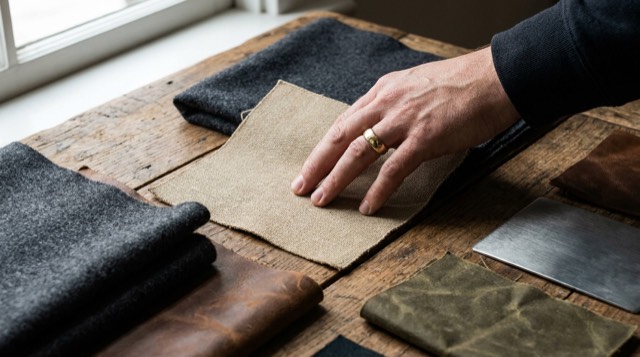
Folding chairs, coolers, hammocks and similar items rarely have a single official standard to check. Compare construction instead: how joints are fastened, whether fabric is described by fibre content, how the product packs down, and whether replacement parts are available. Understanding Product Materials, Durability and Maintenance covers material labels in more detail.
Check the retailer's terms as well. Canadian businesses are generally not required to accept returns of non-defective goods, so a seasonal item bought in a hurry may be yours to keep. For a broader look at spending sensibly on products you will use often, read Why the Lowest Price Is Not Always the Best Value.
Rent or borrow a specialised item before buying it outright.
Buy for the conditions you will actually face, not the most extreme ones the product claims.
Keep labels, manuals and receipts somewhere you can find them next season.
Refund and exchange, Innovation, Science and Economic Development Canada, Office of Consumer Affairs. Accessed 2026-11.
How this was researched. Based on published information and the sources listed below. Save Framework has not tested the products or services mentioned. See the editorial policy.
A label can tell you what a product is made of, and sometimes how to look after it. Knowing which parts of a label are required in Canada and which are optional helps you judge how long something may last.
Power banks, bottles, organisers and pouches all promise an easier trip. Here is how to weigh what each one solves, what it adds to your bag and which airport rules apply.
Comparison · 4 min read
Newsletter
New articles, by email
Subscribe to the Save Framework newsletter, which contains new articles from the journal. Read more on the newsletter page.